
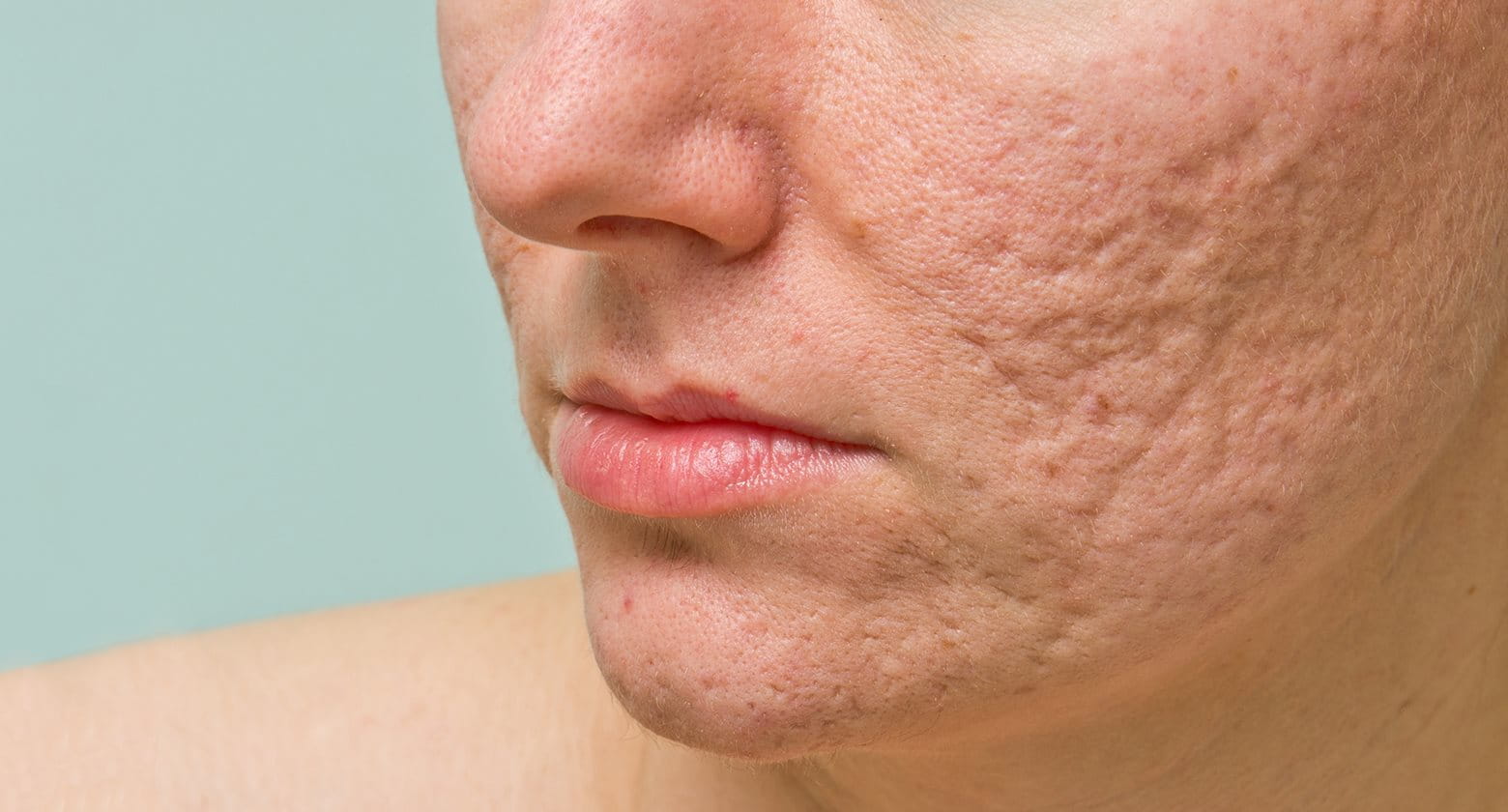
Acne is an inflammation of the skin that affects people from every country and every culture around the world. In the US, acne is predominantly thought of as a teenage dilemma, as more than eighty percent of teens and preteens will develop some form of acne. However, the condition certainly affects a large number of adults and even infants. The scientific name for the condition is acne vulgaris because acne usually strikes in plainly visible locations such as the face, neck, chest and back. There are various types of acne that range in annoyance, severity, and healing time. The most severe type of acne may even lead scars that if not treated properly, may be visible for a lifetime. If you or a loved one is troubled by severe acne, here's what you need to know about acne scars and what you need to do to avoid and care for them.
How Does Acne Form?
Contact with an oily substance such as mineral oil, vegetable oil, or petroleum is a potential cause of acne, as is the use of certain medication and steroids. However, acne is most often cause by the secretion of androgens. Acne is also aggravated by milk or dairy products, red meat and fast food. Androgens are sex hormones that are initially secreted at the onset of puberty. They are male hormones but they are secreted by females as well. Androgens stimulate the production of oil from the skin's oil glands. Acne occurs when these overactive oil glands become blocked, causing the oil to build up in the gland and swell. A bacteria called Propionibacterium acnes normally colonizes this swollen gland causing the development of inflammation and pus. In particularly severe cases, the glands may burst into the skin and produce cysts.
Types Of Acne
Acne blemishes are categorized into four grades, ranging from mild to very severe.
Grade I: Mild acne falls into this category. People with grade I acne generally have blackheads and whiteheads but pimples are not present.
Grade II: The condition is considered moderate acne when blackheads, whiteheads, and small pimples are present, but they are confined to the face and the inflammation they cause is minimal.
Grade III: Severe acne includes blackheads, whiteheads, and deeper pimples with more pronounced swelling.
Grade IV: acne is considered very severe when it occurs on the face, neck, shoulders, chest, and back. Pustules and deeper cysts occur with very severe acne and scarring may result if the condition is not cared for properly.
Preventing Acne Scars
The most important rule for acne sufferers to remember is that you should never pick or squeeze acne blemishes. This can lead to the spread of acne and the development of acne scars. Instead, there are a number of herbal, homeopathic, and traditional formulas that can be used to treat acne and prevent the development of acne scars. Herbs work naturally with the body to reduce acne blemishes and prevent the development of acne scars. Echinacea and poke root are often used for their anti-inflammatory properties and red clover may be beneficial for its estrogenic action. Witch hazel has excellent astringent properties and may be very effective on acne.
Relieving Acne Scars
Acupuncture: Stagnant of Chi in the channels of the face is said to be the cause of acne. Acupuncture performed on these points of the face may help relieve acne, and prevent the development of acne scars.
Surgery: In moderate to severe cases of acne, doctors may use surgery to open up the blemishes and remove blackheads and whiteheads. Unlike medication treatments, the effects of acne surgery are usually more immediate. And surgery is also effective in reducing the development and visibility of acne scars.
Cleaning the intestinal Tract: Acne can be a by-product of a filthy intestinal tract and colon. In most cases when the colon is clean the acne will go away. I recommend the intestinal cleanser Oxy-Powder.
Other remedies include the skin rejuvenation program including 3 products: Oxy-Skin
Dr. Group is heads the research and development division at http://www.acne-answers.org.


The Acne Diet: 4 Foods To Decrease Acne Breakouts
There are many ways to combat acne these days. Several years ago many people did not the contributing factors to acne breakouts, however with the right research we are able to determine some foods that can actually reduce the severity of acne breakouts. Here a great acne diet that you can incorporate into your lifestyle.
Read More
More Ways of Treating Your Acne
We all know that acne is not going to go away overnight. If that were the case, no one would worry about acne the way they do, and doctors would not constantly be working on new products and techniques to help rid people of their acne problems.
Read More
Learn Yourself How To Manage Your Acne Now
Acne is very common which effects everyone of every age group. You can only remove acne when you know how to handle it. This article will provice you some tips to minimize your acne problem.
Read More
Some Best Natural Ways You Will Find To Get Rid Of Acne
Acne is a really troublesome situation. You must stop it to make your life acne free. Below is text that will assist you how to control and manage your acne
Read More
This Article was written by : Dr. Edward F. Group III%2C DC%2C Ph.D%2C ND%2C DACBN, Discuss about Health Articles, it was published at March 20, 2005 and was updated at
Comments
Post a Comment