
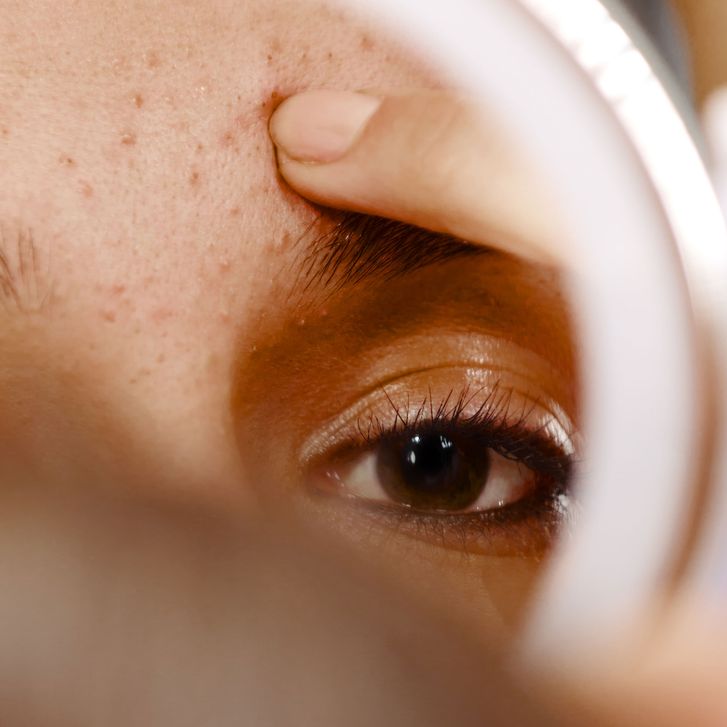
Acne is one of the biggest killers of self-esteem. Rather than let acne run your life, take control and learn how to treat your skin properly by getting the right acne treatment products.
Rather than let acne run your life, take control and learn how to treat your skin properly by getting the right acne treatment products.
The course of treatment is determined by the type and severity of acne, so it depends on whether you have a mild, moderate, or severe form. Knowing your grade of acne will help you choose the most effective treatment plan that helps to improve and even remove acne scars.
Acne treatments are divided into three categories: topical, systemic, and procedural and consist of reducing sebum production, removing dead skin cells, and killing bacteria with topical drugs and oral medications.
�In case of mild to moderate acne, treatment usually involves self-care measures, such as washing your skin daily with a gentle cleanser and using an over-the-counter acne cream. But if you suffer from severe acne, nodulocystic or cystic acne , you must see a dermatologist.
It is also recommended to visit a doctor if your mild acne isn't responding to treatment, or if you just need guidance in treating it. In the treatment of mild to severe acne, depending on the strength, topical treatments products are prescribed. Topical treatments products are creams, gels or lotions you put on blemishes or sometimes entire areas of skin, such as the chest or back.
When topical treatments are not enough in cases of moderate acne, then systemic treatments is the best choice.� So, it's common to try several treatments before finding the one that works for you.
However, sometimes acne needs treatment with stronger medications or a combination of therapies.Acne is often developed in teenagers due to changes in hormone system. Some adult women experience mild to moderate acne due to hormonal changes associated with pregnancy, their menstrual cycles, or starting or stopping birth control pills.
Teenage and adult acne can take months or years to treat successfully. Depending on its severity, acne can cause emotional distress and lead to scarring of the skin. But you can get rid of any disease if you care for your health yourself. So, clean your skin properly and keep it oil- free; eat a well- balanced diet high in fiber, zinc, and raw foods; and avoid alcohol, dairy products, tobacco, caffeine, sugar, processed foods, and foods high in iodine, such as salt. Choosing for the right treatment



How Do I Find Out What Is Causing My Acne?
This is a question virtually anyone with acne wants to know the answer to. Knowing what is causing your acne gives you the power to potentially stop the cause in its tracks, leaving you acne free and a great deal happier.
Read More
Discover The Complications That Could Arise From Acne
If you think you have a problem because you have acne, you are right. But it is not half as bad as what you would be faced with if you developed complications from your acne condition. If that sounds complicated, it is more so because there are different kinds of acne.
Read More
Five Common Facts About Acne Treatments
Acne is an issue for everyone. Some individuals have hormonal acne which requires �stronger acne treatments regimen. Knowing the facts about hormonal acne makes the difference in how it is treated.
Read More
Acne Scar Treatment
Acne scars develop after severe cases or when the acne has been forcibly picked or scratched. There are many types of acne scars, each entirely treatable.
Read More
This Article was written by : RicoKurniawan, Discuss about Health Articles, it was published at August 27, 2009 and was updated at
Comments
Post a Comment