
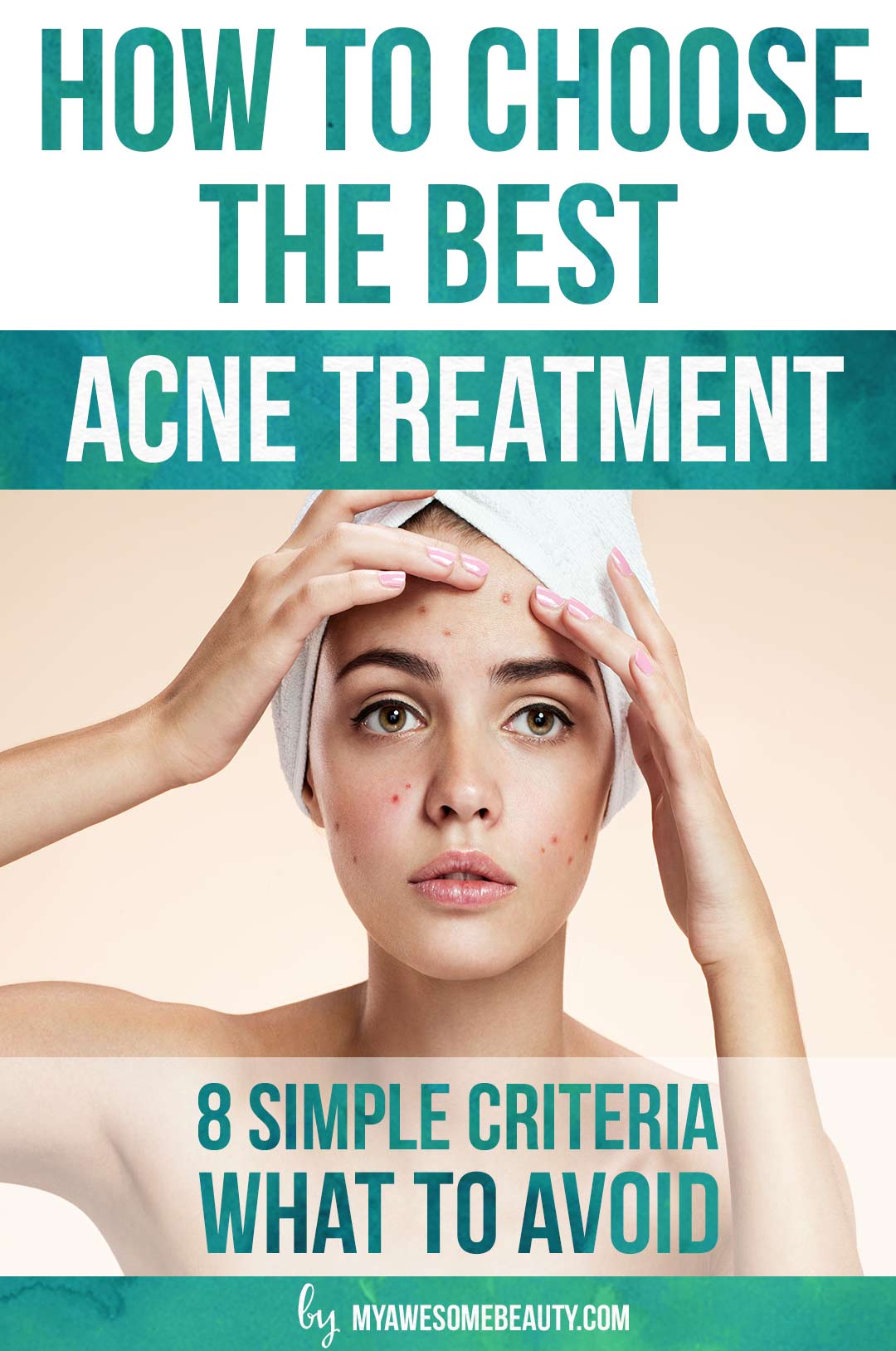
Adult acne sufferers have dry skin compared to teenagers and the multitude of adult acne products on the market reflects this. Depending on the severity of your symptoms, you can find the best adult acne medications by examining topical treatments, oral medications and the new class of holistic acne cures.
Life isn't fair, is it? You suffered through yourteen years with pimples and now you're an adult and you still... havepimples! Unfortunately, acne can persist right into our 30s and 40s.Some people escape high school unscathed and then, blam!, they start toget acne just when all their friends are enjoying clear skin for thefirst time. There are lots of adult acne medications tailored to meetthe specific needs of adult acne sufferers. Adult acne products takeinto account that our skin is often dry - not the oily mess that teenshave to deal with. Let's take a look at some of the adult acne productsavailable today.
Cosmetics: All of the bigcosmetic companies produce foundations and moisturizers aimed at theadult acne product market. These often contain the common acne-fightingingredients benzoyl peroxide and salicylic acid which can help treatingmild acne. Look for products containing 2.5% benzoyl peroxide. Strongerformulations are not necessary and will irritate your skin. While anadult acne product containing only salicylic acid is unlikely to domuch good, salicylic acid has been shown to increase the effectivenessof benzoyl peroxide so a product containing both ingredients is ideal.If you have moderate to severe acne, you will probably not benefit fromcosmetic adult acne products. Save your money!
Topical medications:These include gels, creams and lotions containing benzoyl peroxide,salicylic acid, or retinoids. These are useful in treating mild acnebut are ineffective for moderate to severe adult acne. Use a 2.5%benzoyl peroxide gel combined with salicylic acid. Over the counterstrength retinoids are not strong enough to be effective, butprescription strength retinoids can be effective especially when usedin combination with other topical therapies. See your dermatologist.Salicylic acid at over the counter strengths is only helpful whencombined with benzoyl peroxide and is especially useful at fightingblackheads that can lead to pimples. Of course, blackheads are oftenmore of a teen problem so your mileage will vary.
Oral medications:Oral antibiotic treatments have been a mainstay of treating acne forgenerations. Unfortunately, they don't attack the root cause of acnewhich is hormonal and have no beneficial pore-clearing effect likebenzoyl peroxide combined with salicylic acid. These antibiotics canwreak havoc on your system with little benefit. Avoid them.
Themost powerful oral medication for adult acne is Accutane. This is avery effective treatment, however, it should only be considered as alast resort after all other methods have failed. There are seriouspotential side effects and you must be monitored by your doctor whiletaking this drug.
Natural holistic treatments:Today, we have a much better understanding of what causes acne than atany time in the past. Pimples are not caused by poor hygiene, so thereare limits to what can be accomplished with topical medications andantibiotics. There are several holistic adult acne products on themarket today that target hormone imbalances through corrective dietsand other regimens. How well do they work? Judging by the thousands ofpositive testimonials, money spent on holistic adult acne treatmentsmay be money well spent. A positive side effect is often better overallhealth that comes with an improved diet. If you have moderate to severeacne, a holistic solution may be right for you



Women's Guide to Adult Acne
Acne is a commonly occurring skin condition that affects men, women and children alike. It is nothing but overproduction of oil on skin, which results in acne scars or pimples. Acne is most likely to appear on face, neck, shoulders or even arms.�
Read More
Top Three Essential Supplements You Need to Add to Your Diet for Acne
You've probably heard of how you should avoid caffeine, chocolate, fried foods, and similar no-no's if you want to get rid of your acne.� Unfortunately, most people also suggest you go on prescription medication to get rid of your acne as well, which causes problems of its own.� The last thing you need when you're getting rid of acne is to be worrying about what problems your medication is causing.� The best solution to this problem is to go on a diet for acne specifically, one that is not expensive, doesn't require eating disgusting food, and is truly effective in getting rid of those pesky red lumps all over your body.
Read More
Three At Home Acne Remedies That Really Do Work
Are you looking for at home acne remedies that you can do without a prescription from a doctor or dermatologist?� There's many options available to you for fixing acne when you don't have the money (or the stomach) for ordinary acne treatments, many of which are expensive and painful.
Read More
How to Choose the Best Adult Acne Medications and Products for You
Adult acne sufferers have dry skin compared to teenagers and the multitude of adult acne products on the market reflects this. Depending on the severity of your symptoms, you can find the best adult acne medications by examining topical treatments, oral medications and the new class of holistic acne cures.
Read More
This Article was written by : Erica Jennings, Discuss about Health Articles, it was published at October 25, 2009 and was updated at
Comments
Post a Comment