
Three Steps On Curing Acne

Health Articles | September 13, 2009

When it comes to curing acne, it is important to understand that there is no "cure" for acne.� True, there are several effective ways of controlling and eliminating acne, but it is something that takes time, and no prescription, cream, or pill can permanently fix your skin.� That being said, here are some of the best solutions that come very close to curing acne.

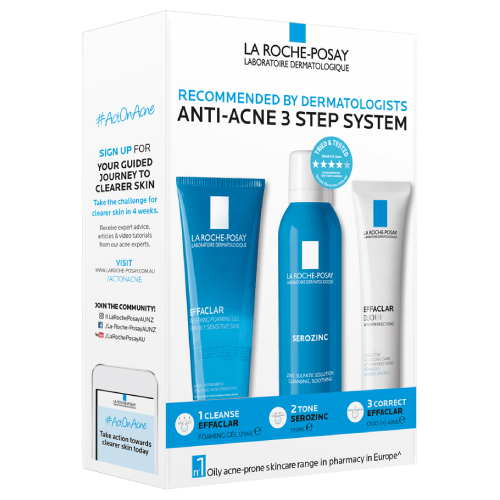
1. SkinMedica: SkinMedica is one of the best options for treating acne, and is one of the most highly recommended acne kits in dermatology circles.� A SkinMedica kit comes with a foaming cleanser, a toner, and a repairing lotion, each of which are formulated specifically for testy, sensitive skin.� It does not have quite the amount of benzoyl peroxide concentration other cleansers have, which makes it less harsh on skin.

2. Proactiv: One of my personal favorites, Proactiv really does the job when it comes to cleansing and clearing away acne. This also contains a cleanser, toner, and repairing lotion, but instead of a foaming cleanser, Proactiv has a more abrasive cleanser with cleansing beads, helping you to slough off dead skin cells and open up the pores on your face.

3. Acne cure diet: What you eat is equally as important to controlling your acne as any cleansing program would be.� With an acne diet, you can get an advanced solution to your acne with one treatmentFree Web Content, and not have to worry about buying loads of products to fit into your medicine cabinet in the bathroom.




Did You Know There Was More Than One Type of Acne?
When you think of acne, spots and pimples often come to mind, and you automatically assume that acne is simply acne, and that it comes in only one form.
Read More

Learn Yourself How To Manage Your Acne Now
Acne is very common which effects everyone of every age group. You can only remove acne when you know how to handle it. This article will provice you some tips to minimize your acne problem.
Read More

How To Treat Acne Effectively and Safely - 8 Tips
Are you fed up and frustrated about having acne on your skin whether it's your face, back, neck or arms? You're not alone. Acne is a common skin disorder which affects people of all ages although it's usually more common in teenagers who suffer from hormonal changes, a major culprit for acne development. Adults too are not immune from acne. Unfortunately some teenagers who venture into adulthood can't seem to get away with acne and live with it even after becoming adults. It's of paramount importance to know how acne is triggered so that you can take the necessary steps to eradicate it and even prevent it.
Read More

About Acne, its Types & Symptoms
What is Acne?Acne is a chronic disorder of the hair follicles and sebaceous glands. Some of the characteristics of acne include black heads,
Read More

This Article was written by : Harley Molina, Discuss about Health Articles, it was published at September 13, 2009 and was updated at

Comments

Popular posts from this blog

What Grade of Acne Are You Suffering From Now?

Health Articles | May 22, 2008 As acne sufferers, we often shun the topic of discussing our acne problem. But do you know that having some understanding of it can actually help you in your fight against acne? Understanding the grade of your acne problem is instrumental in deciding the course of treatment and products that will be most effective for it. If you have a mild case of acne, sometimes over the shelf products are enough to help you curb it. But if you have a very severe case of acne, it is best to schedule at least a visit to the dermatologist for professional advice. MILD ACNE In mild acne, the degree of inflammation is minimal, with mainly comedones (blackheads and whiteheads). Small pimples may appear at times, in small numbers. The risk of scarring in mild acne is low. This type of acne is common in adolescents and adults, especially at areas on the nose and forehead. You can usually self-treat mild acne with topical medications easily bought over the counter. MODERATE ACN...

How to Find an Acne Treatment Remedy to Work Perfectly for Your Body and Skin

Health Articles | August 18, 2009 If you're suffering from acne, you're probably looking for the best acne treatment remedy there is.� Unfortunately, many acne remedies can cost a fortune, which is why I am not an advocate of expensive acne treatments, Accutane, birth control pills, Tetracycline, Retin-A, or anything of that sort.� I have experienced first-hand what an acne treatment remedy can do to your skin - and the rest of your body.� For instance, I used to be on Tetracycline, until I found out that taking this drug led to acid reflux disease.� As soon as I got off Tetracycline, I had to go on some natural acid reflux medicine for a while.� I'm healed now, but it was a scary experience to say the least. There are other problems you can experience with an acne treatment remedy.� For example, I know some people who spend over $500 or more for a month's supply of Accutane.� That's $6,000 per year, especially if you don't have insurance.� I don't know abou...

Does Coconut Oil Cause Acne?

Health Articles | October 2, 2017 I can vouch for the fact that coconut oil does not cause acne. But then, why do some people say that using coconut oil for acne treatment causes more acne? This has something to do with the healing crisis. Read on to find out now... Coconut oil does not cause acne. The reason why coconut oil gives the impression of causing acne is due to its detoxifying effect. When you consume so much toxin-loaded foods over the years, it's no surprise that toxins will accumulate in your body. And when your body transports the excessive toxins via bloodstreams to your skin for purging, most toxins get stuck underneath the skin. It is these blood toxins that feed the acne bacteria, not just the oily substance (sebum) that lubricates your skin. In other words, when sebum mingles with blood toxins, the mixture becomes a power food for acne bacteria to grow like crazy. Overgrowth of bacteria triggers the shedding of dead skin cells at a faster rate, leading to cloggin...