
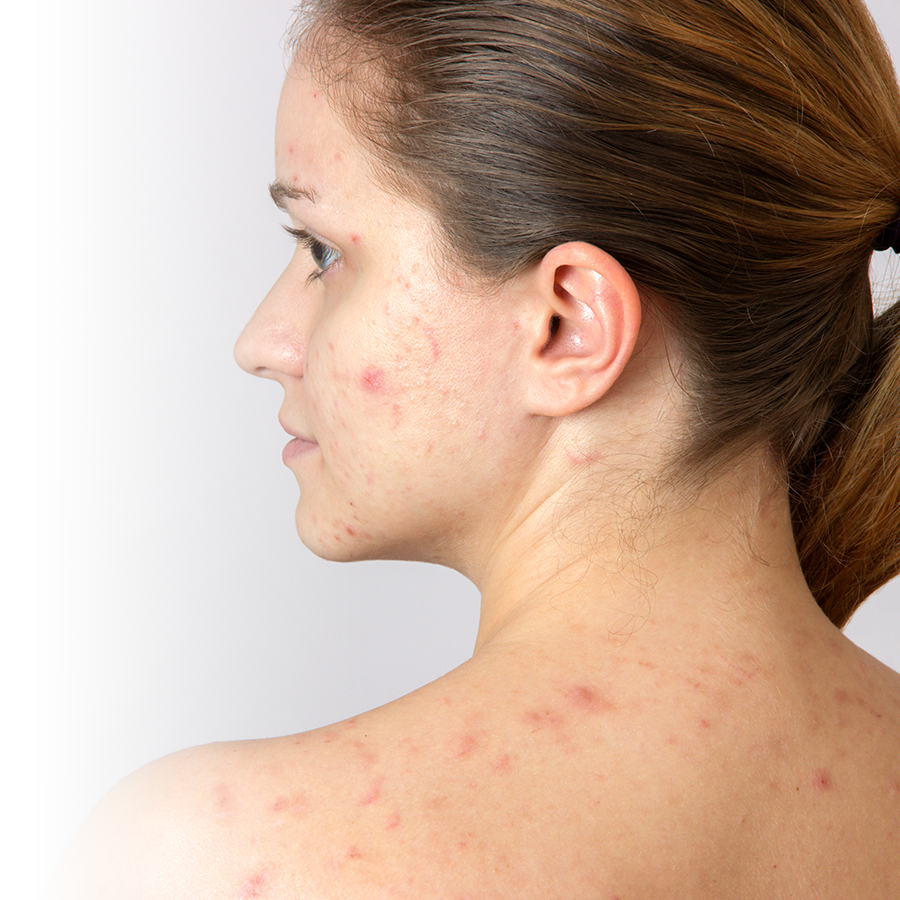
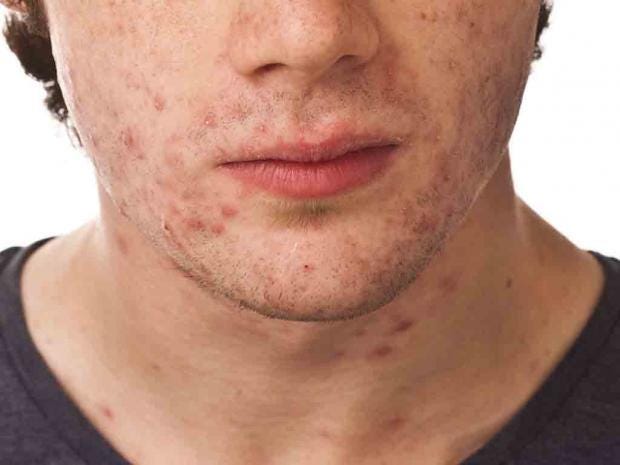
Acne is bad enough when it strikes with puberty. But when it continues or strikes again in adulthood, it can be a real nuisance. Acne is a skin condition that usually begins around the time of puberty. More than eighty percent of teenagers and preteens will develop acne to some extent. But it can affect people of every age, gender, and race. It affects both males and females, but boys are more likely to have severe acne and to have acne that continues into adult acne.
The scientific name for the condition is acne vulgaris because acne usually strikes in plainly visible locations such as the face, neck, chest and back. Acne is an age old problem that has likely been plaguing people of all ages for centuries.
What Causes Adult Acne?
Acne is an inflammation of the skin that can form in adulthood just as easily as it forms in pubescence. Acne is caused by a number of factors. Contact with an oily substance such as mineral oil, vegetable oil, or petroleum is a common cause of acne, as is the use of certain medications and steroids. However, acne is most often cause by the secretion of androgens. Acne occurs most often to teens and preteens because these androgens are initially secreted at the onset of puberty. But these sex hormones are secreted into adulthood as well and can continue to cause problems with acne. Poor dietary habits and lack of exercise also contribute to adult acne.
Androgens are male sex hormones but they are secreted by females as well. Androgens stimulate the production of oil from the skin's oil glands. Acne occurs when these oil glands become overactive and the exit from the gland is blocked, causing the oil to build up in the gland and swell. A bacteria called Propionibacterium acnes normally colonizes this swollen gland causing the development of inflammation and pus. In particularly severe cases, the glands may burst into the skin and produce cysts.
How Do I Treat Adult Acne?
Over ninety percent of acne patients, both teens and adults, respond to treatment, although the treatment may need to be continued for months or even years. Here are a few of the most common herbal, homeopathic, and traditional methods that can be used to treat adult acne.
Adult Acne Products
Home Therapy: Organic Apple Cider Vinegar swabs and other astringent cleansers work to remove the oil buildup that may become blocked in the skin's glands. These products may cause dryness, itching, and redness, so be sure to use them only on problem areas.
Herbs: Herbs such as chamomile, lavender, juniper, bergamot, dandelion root, and burdock root can be used to reduce toxicity and improve the overall condition of the skin. Echinacea and poke root are often used for their anti-inflammatory properties and red clover may be beneficial for its estrogenic action. Witch hazel has excellent astringent properties and may be very effective on adult acne.
Acupuncture: Stagnant of Chi in the channels of the face is said to be the cause of acne. Acupuncture performed on these points of the face may help relieve adult acne.
Surgery: In moderate to severe cases of acne, doctors may use surgery to open up the blemishes and remove blackheads and whiteheads. Unlike medication treatments, the effects of acne surgery are usually more immediate. And surgery is also effective in reducing the development and visibility of adult acne scars.
Cleaning the intestinal Tract: Acne can be a by-product of a filthy intestinal tract and colon. In most cases when the colon is clean the acne will go away. I recommend the intestinal cleanser Oxy-Powder.
Other remedies include the skin rejuvenation program including 4 products: Oxy-Skin, Oxy-Zap
Dr. Group is heads the research and development division at http://www.acne-answers.org.


Top Five Best Acne Solution Options You Need to Solve Your Acne Problem
Acne is no fun for anyone at any age.� If you have (or had) acne as a teenager, chances are you will have at least a few breakouts as an adult.� Sometimes even the best acne solution isn't enough to completely get rid of your acne by the time you turn 21.� The same productions going on in your body when you were going through puberty will often come back to torment you as an adult, and it can be worse the second time around.�
Read More
Go On a Diet for Acne to Get Rid of Acne Fast
If you're suffering from acne on your face or anywhere else on your body, you're probably suffering from a little lack of self-esteem, too.� I know, because I've been there.� But I'm here to tell you, with the right techniques, you can become acne-free.� I'm not talking about going to the dermatologist or the doctor's office and getting an expensive prescription for an acne drug or oral contraceptive.� I'm talking about a diet for acne.
Read More
Acne Treatment Reviews Advice On Controlling Your Acne Breakouts
Acne Treatment Reviews Acne can have a minor form which is common during the teenage years and usually fades away with age and can be easily treated. A more severe form, called cystic acne, can be much more serious. Cystic acne can cause disfiguring dents in the skin which never go away. This article can help you to discover the type of acne you have and what treatment is advised.
Read More
Acne free skin through Ayurveda
Acne is a very common skin problem which affects young people at their puberty and few adults till they reach 45. Acne arereferred as Youvana pitikas (which means the eruptions of youth) in ayurveda. This shows the prevalence of acne from ages.Ayurveda has described the causes of acne and recommends the best natural herbal acne remedies too.
Read More
This Article was written by : Dr. Edward F. Group III%2C DC%2C Ph.D%2C ND%2C DACBN, Discuss about Health Articles, it was published at March 20, 2005 and was updated at
Comments
Post a Comment