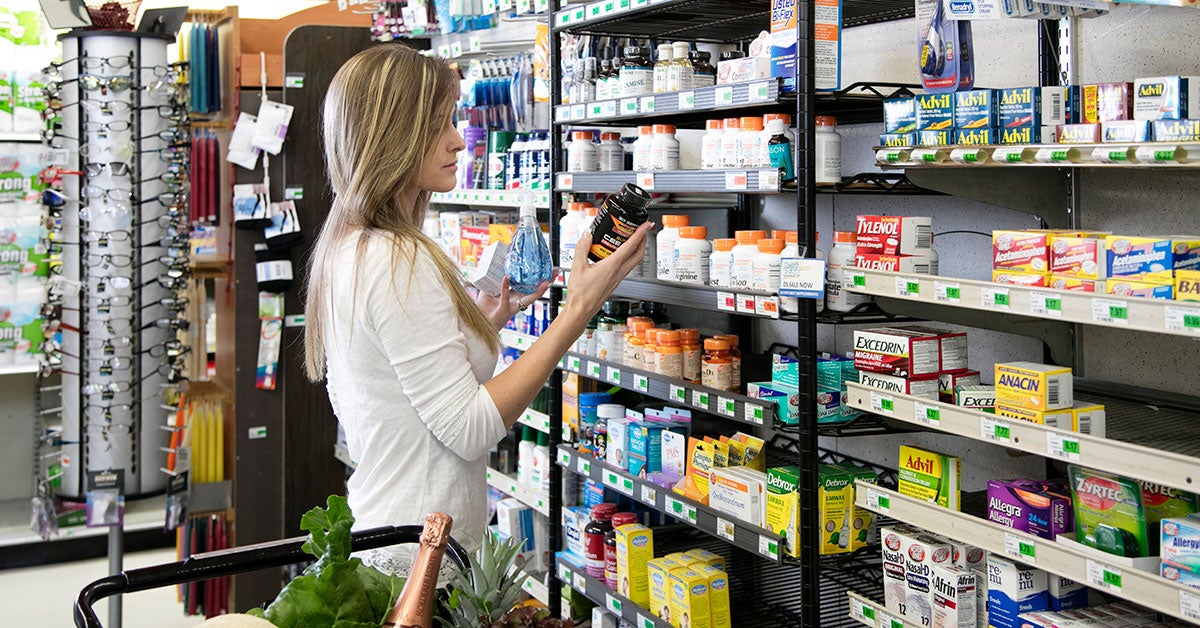
After getting acne under control, the first thing on your mind is probably socializing, shopping and generally leaving your skin related health woes behind. But if antibiotics were apart of your acne axing regime, you may want probiotics to be apart of your acne-afterlife.
Once you have acne under control, the first thing on your mind is probably socializing, shopping and generally leaving your skin related health woes behind. However, if antibiotics were apart of your acne axing regime, you may want probiotics to be apart of your acne-afterlife.
Patricia Raymond, a gastroenterologist and assistant professor at Eastern Virginia Medical School, finds that antibiotic usage can negatively impact the colon. Raymond explains, "As antibiotics work to treat a disease, they also kill off healthy micro-organisms in the gastrointestinal tract, paving the way for harmful bacteria to take over."
Probiotics are bacteria that co-exist in the colon with so-called "bad" colon bacteria. About 100 trillion microorganisms populate a healthy bowel. Probiotics balance the pathogen (harmful microorganisms) count, aid digestion and nutrient absorption, and facilitate immune function.
If the number of probiotics drops significantly- due to acne antibiotic usage- other health problems like diarrhea and irritable bowel syndrome could result.
You can restore probiotic stability after a series of acne antibiotics in three steps.
1. Eat foods that help probiotics thrive
2. Minimize your stress level
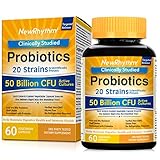
3. Take the right probiotics in the right proportions
1.Eat foods that help probiotics thrive
Gary Huffnagle, PhD, of the University of Michigan Health System, is a pioneering researcher into the world of probiotics. Huffnagle recommends supporting probiotic growth by increasing the amount of cultured dairy products you eat, such as cheeses and yogurt.
To encourage probiotics from these dairy products to multiply even further, Huffnagle suggests consuming foods like spices, tea, red wine, berries, apples and beans.
2.Minimize your stress level
Not only should you minimize stress because research teams at Wake Forrest University discovered that stress aggravates acne prone skin, but stress also weakens the colon where probiotics need to work. Research has implicated chronic stress in the development of irritable bowel syndrome and in the worsening of inflammatory bowel disease symptoms.
Moreover, stress sensitizes the gut which increases the likelihood of yet another acne culprit-- developing allergies to certain foods. Reducing your stress level while using probiotic therapy will allow the helpful bacteria to flourish while preempting acne outbreaks.
3.Take the right probiotics in the right proportions
Pharmacist and complementary medicine advocate Dr. Author Presser says the important intestinal bacteria include Bifidobacteria, Lactobacillus (L.) Acidophilus, L. Rhamnosus, L. Plantrarum, L. Bulgaricus, Streptococcus Faecium and Streptococcus Thermophilus. Presser recommends taking supplements that contain all seven bacteria. In his book, The Nature Pharmacist's Vitamin Primer, Presser points out, "look for a product that contains FOS, fructooligosacchrides."
Presser explains that FOS are sugars found in fruits, vegetables and grains. Microflora metabolize and multiply on fructooligosacchrides both in the intestine and in the tablet.
Likewise, the Harvard Women's Health Watch has three more tips for anyone shopping for probiotics:
� The recommended doses range from 1 billion to 10 billion colony-forming units (CFU)-the amount contained in a capsule or two-several days per week.
� A daily supplement for one to two weeks may improve conditions such as infectious or antibiotic-related diarrhea.
� The microorganisms in probiotic supplements need to be alive when you take them (or when they're freeze-dried for capsules). They may die on exposure to heat, moisture, or air. Some require refrigeration. Read the supplement label for proper storage instructions.
Even though probiotic therapy may appear extraneous after an intense acne regime, just remember that these microflora may also prevent future zit eruptions.
Sources:
Harvard Women's Health Watch. Should You Take a Daily Dose of Bacteria?. Newswise; April 25, 2005.
Mary Beth Reilly. Probiotic Microbes Could Be a Key to Good Health. University of Michigan Health System. March 6, 2006.
Presser, Arthur M. The Nature Pharmacist's Vitamin Primer. Your guide to vitamins, minerals, amino acids, superfoods, nutraceuticals and other dietary supplements. Fifty-Ninth Street Bridge Publishing Corporation; 2000.
ProfNet Wire. Health & Medicine: Keep Intestines Well-Flourished. May 10, 2007.
Wake Forest University Baptist Medical Center. Link Found Between Teens' Stress Levels and Acne Severity. Newswise; March 5, 2007.
Zareie, M et al. Probiotics prevent bacterial translocation and improve intestinal barrier function in rats following chronic psychological stress. Gut


Helpful Acne Treatment Reviews
Are you frustrated with your pimples? Acne is a discouraging dilemma that many people grapple with. There can be moments when you feel that your pimples will never go away. Well, I think that you should try to get rid of your acne altogether, instead of just dealing with it everyday. All you need to do is find a great acne treatment that is suitable for your skin type.
Read More
Women's Guide to Adult Acne
Acne is a commonly occurring skin condition that affects men, women and children alike. It is nothing but overproduction of oil on skin, which results in acne scars or pimples. Acne is most likely to appear on face, neck, shoulders or even arms.�
Read More
Helpful Acne Treatment Reviews
Are you frustrated with your pimples? Acne is a discouraging dilemma that many people grapple with. There can be moments when you feel that your pimples will never go away. Well, I think that you should try to get rid of your acne altogether, instead of just dealing with it everyday. All you need to do is find a great acne treatment that is suitable for your skin type.
Read More
How to Choose the Best Adult Acne Medications and Products for You
Adult acne sufferers have dry skin compared to teenagers and the multitude of adult acne products on the market reflects this. Depending on the severity of your symptoms, you can find the best adult acne medications by examining topical treatments, oral medications and the new class of holistic acne cures.
Read More
This Article was written by : Naweko San-Joyz, Discuss about Health Articles, it was published at June 5, 2007 and was updated at
Comments
Post a Comment