
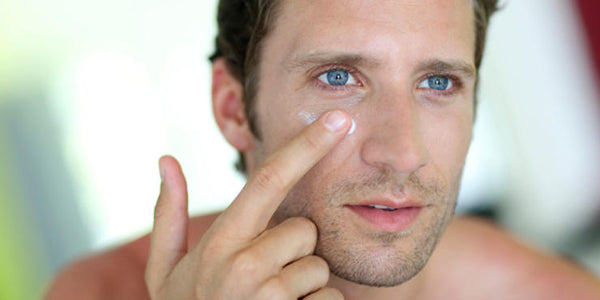
Although most teenagers get some form of acne, adults in their twenties, thirties, forties, or even older, can develop acne. Men and women alike experience acne, but men get it more severely. There are many adult acne treatments to choose from.
All acne treatments work by preventing new breakouts, and must be used over a period of weeks or months. Even if you begin to see improvement, continue treatment. Follow the directions on the package or as prescribed by your dermatologist.
There are many over-the-counter adult acne treatments to unblock pores, reduce bacteria and dry out pimples. They contain the acids or antibiotics benzoyl peroxide (such as Neutrogena On-The-Spot), salicylic acid (such as Stri-dex), sulfur or resorcinol (such as Clearasil Adult Care).
Even more numerous are prescription drugs and topicals that curb oil build-up, skin cell shedding and bacteria growth - all while drying and peeling away old acne and stimulating healthy skin growth. For women, there are even drugs that decrease testosterone levels. In cases of unresponsive or severe acne, isotretinoin (Accutane) may be used. Talk to your dermatologist to find out what is appropriate for your case of acne.
Beyond oral and topical medications, there are a number of other options for adult acne treatment.
Microdermabrasion is basically a sand-blasting technique that can clear up minor blemishes caused by acne. Light chemical peels with salicylic acid or glycolic acid help to unblock the pores, open the blackheads and whiteheads, and stimulate new skin growth. Injections of corticosteroids may be used for treating large red bumps (nodules). Birth control pills have the desirable side effect of treating and reducing acne breakouts.
Laser resurfacing can be helpful in treating acne as well, by vaporizing the acne and clearing the way for new skin to grow.
To avoid scarring, you should never pick or squeeze acne, especially inflammatory acne or �pustules�. Squeezing forces infected material deeper into the skin, causing additional inflammation and possible scarring. Also, avoid scrubbing your skin. If you do get scars



Top Three Best Acne Treatments for Teen and Adult Acne
When you're looking for the best acne treatments, you need to consider what you shouldn't take as much as what you should take.� In several cases, the cure for the acne disease is often worse than dealing with the acne itself.
Read More
Acne Free Diet: Do You Want to Clear Up Your Acne Without Medicine?
Are you looking for an acne free diet because you haven't found anything else to cure your acne?� If so, stop right now.� Don't just pick any acne diet that's out there.� Some of them can actually harm your body and make your acne more severe than it already is.� Is that what you want?� Of course not.
Read More
Top Three Best Acne Treatments for Teen and Adult Acne
When you're looking for the best acne treatments, you need to consider what you shouldn't take as much as what you should take.� In several cases, the cure for the acne disease is often worse than dealing with the acne itself.
Read More
Home Made Acne Treatments
Most people want to treat their acne. So there are many different kinds of acne treatment products. There is one special kind of acne treating products called the Natural Acne Remedy. Unlike the other acne treatment products, Natural Acne Remedy treats acne with natural processes. Since these natural acne remedies are 100% natural, there should not be any side effects to this kind of treatment.
Read More
This Article was written by : Dave Lavinsky, Discuss about Health Articles, it was published at August 4, 2005 and was updated at
Comments
Post a Comment